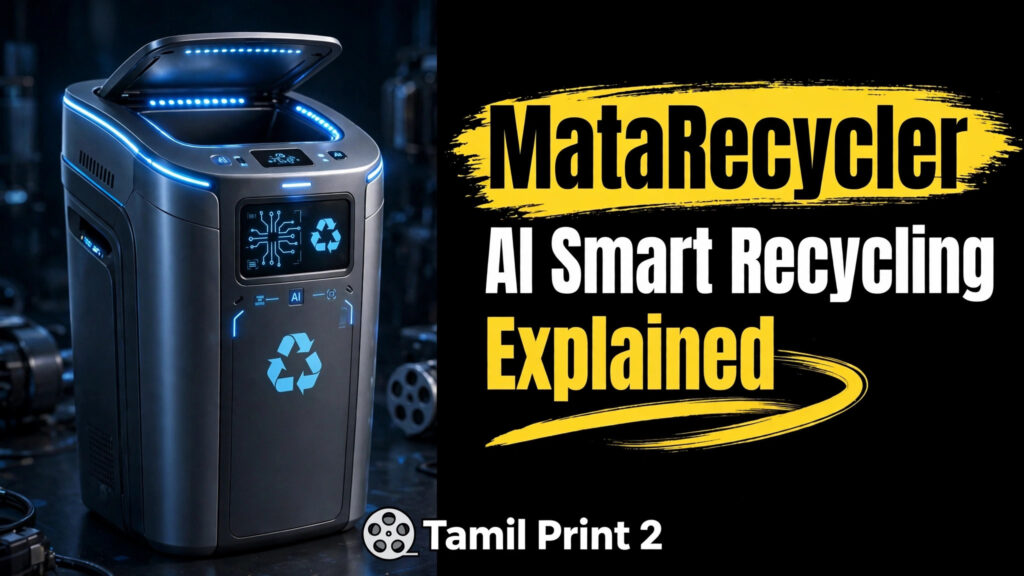
Sorting recycling is harder than it looks. A greasy pizza box or a plastic bag in the wrong bin can contaminate a whole load. MataRecycler is one name that keeps appearing in searches, and this guide explains what it is, what it claims, and what is verified.
What Is MataRecycler?
MataRecycler is described online as an AI-powered smart recycling concept. It would use sensors, computer vision, machine learning, and a cloud dashboard to identify and sort waste into plastic, paper, metal, and glass. A bin or sorting system looks at an item, decides its material, and puts it in the right place.
That description appears on several websites that present MataRecycler as a smart recycling product, often framed as a way to reduce sorting errors and improve recycling rates.
What MataRecycler Claims vs What Is Verified
Some sites describe MataRecycler as if it were a finished product. That can be misleading. A recent fact-check found a different picture: MataRecycler.com describes itself as an educational platform about recycling and sustainability, not as a store selling a device.
No verified manufacturer, product catalogue, or confirmed municipal installation was established. That does not prove no related project exists, but readers should not assume it is a widely deployed system. No verified founder, launch date, or price can be stated as fact.
| Topic | What is claimed online | What is verified |
|---|---|---|
| What it is | AI-powered smart recycling system | A smart recycling concept; its site calls itself an educational platform |
| How it would sort | Sensors, computer vision, machine learning, cloud dashboard | Technologies named online, not confirmed specifications |
| Materials | Plastic, paper, metal, and glass | Those four categories are named online |
| Availability | Presented on some sites as a product | No verified manufacturer, catalogue, or confirmed installation |
If you see a specific accuracy figure, price, or deployment city for MataRecycler, treat it as unverified unless it comes from a primary source you can check. This article does not repeat such a figure as fact.
How AI Sorting Works in General
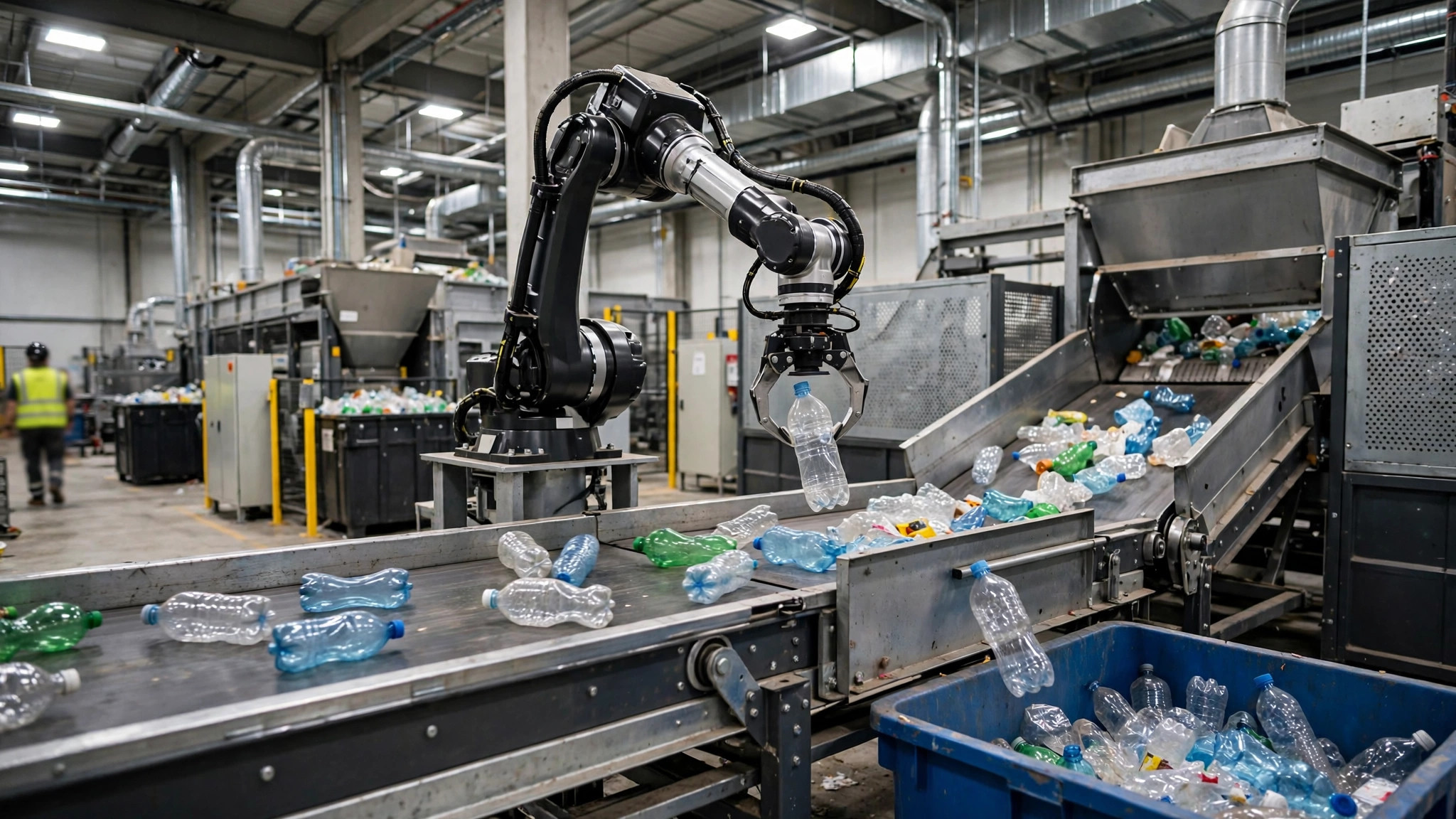
AI sorting does not depend on one company.
Read also how AI technology is changing everyday life. In general, a camera or sensor looks at an item on a belt or in a bin. A computer vision model compares its shape, color, and texture with examples it was trained on. The system then triggers an action, such as a robotic arm or air jet, that sends the item to the correct bin.
Machine learning improves that process over time. As the system sees more examples, it gets better at telling similar materials apart. A cloud dashboard can show how much of each material was collected and where contamination happens.
Real Examples of AI Recycling Today
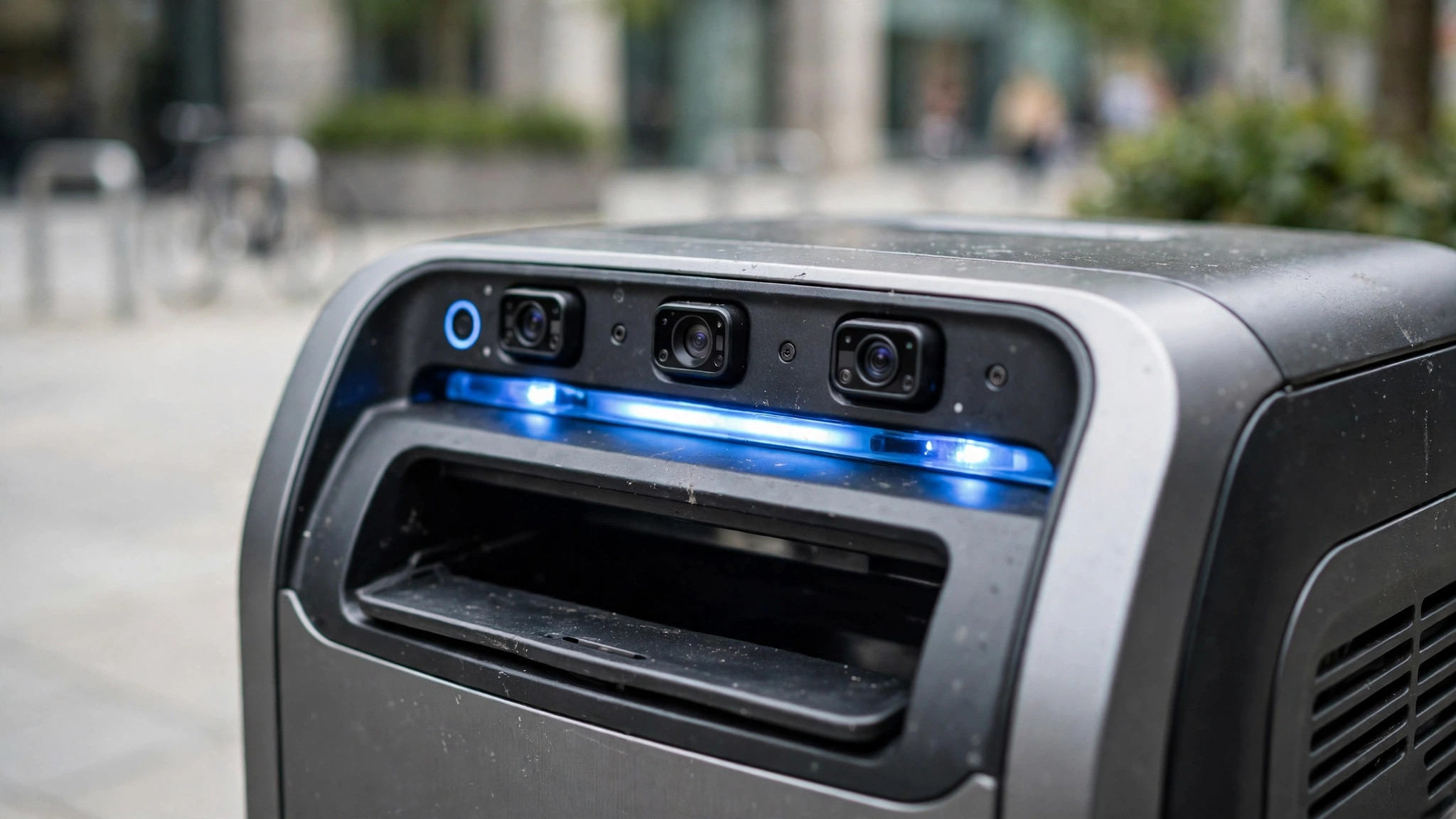
To understand what AI recycling can do today, look at established systems. TOMRA is a well-known example. Its sensor-based sorting systems are used in recycling plants to separate materials at high speed, using optical sensors to identify different plastics and other materials.
CleanRobotics TrashBot is another real example, built for offices, airports, and public spaces. It uses cameras and AI to identify waste as it is dropped in and guide it to the correct stream. These examples show the idea is grounded in technology that already exists, even if a specific MataRecycler device has not been verified.
Practical Recycling Tips That Actually Help
Technology can help, but most recycling gains still come from simple habits.
For more on sustainable recycling, see our guide to plastic pallets and sustainable logistics. These tips work with a smart bin or an ordinary one.
- Rinse containers lightly and let them dry before recycling.
- Keep plastic bags and soft film out of curbside recycling unless your program accepts them.
- Flatten cardboard boxes and keep them dry.
- Check local rules for glass, because acceptance varies by area.
- Do not bag recyclables in plastic bags unless your program tells you to.
A cleaner stream means more material can actually be recycled.
Conclusion
MataRecycler is best understood as an AI-powered smart recycling concept described online, not as a verified commercial product with confirmed installations. Its claimed approach uses sensors, computer vision, machine learning, and a cloud dashboard to sort plastic, paper, metal, and glass. That approach is plausible, because similar technology is already used by TOMRA and CleanRobotics TrashBot.
Before treating MataRecycler as a product you can buy, look for a named manufacturer, a product catalogue, and a confirmed installation. Until then, focus on the habits that make recycling work today.
Frequently Asked Questions
What is MataRecycler?
MataRecycler is described online as an AI-powered smart recycling concept that would use sensors, computer vision, machine learning, and a cloud dashboard to sort plastic, paper, metal, and glass.
Is MataRecycler a real product you can buy?
That has not been verified. MataRecycler.com describes itself as an educational platform, and no verified manufacturer, catalogue, or confirmed installation was established.
How does AI recycling sorting work?
A camera or sensor identifies an item, a model classifies the material, and a mechanical action sends it to the correct bin. A dashboard can track what was collected.
What are real examples of AI recycling?
TOMRA sensor-based systems are used in recycling plants, and CleanRobotics TrashBot uses cameras and AI to sort waste in public and office spaces.
How can I recycle better at home?
Rinse containers, keep them dry, follow local rules for glass and plastic bags, flatten cardboard, and keep soft plastic film out unless your program accepts it.