Every stage of life brings new opportunities, priorities, and goals. Whether you are approaching retirement, considering a career change, preparing for a lifestyle transition, or simply looking ahead to the future, planning your next chapter requires thoughtful preparation. Major life transitions often come with both excitement and uncertainty, making it important to evaluate your circumstances carefully before making significant decisions.
A successful transition involves more than financial preparation alone. It also requires consideration of personal goals, health, lifestyle preferences, and long-term aspirations. Taking the time to assess these factors can help create a clearer vision for the future and provide greater confidence as you move forward. By focusing on a few key areas, individuals can make informed decisions that support both personal fulfillment and long-term stability.
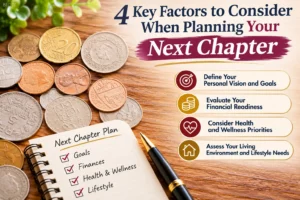
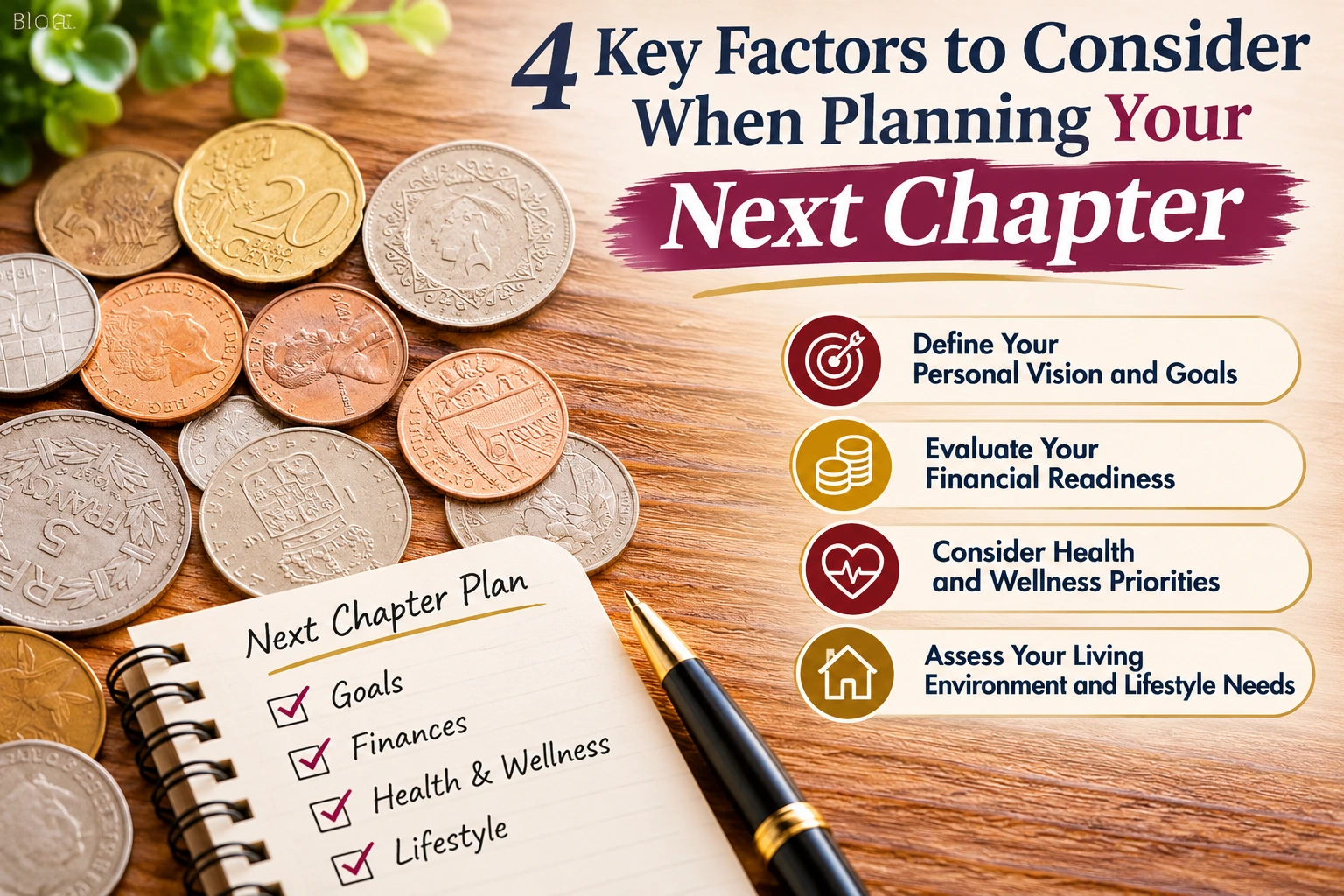
Define Your Personal Vision and Goals
One of the most important factors to consider when planning your next chapter is understanding what you want that chapter to look like. Every individual has different priorities, and taking time to define your vision can help guide future decisions.
Some people may envision spending more time with family, traveling, volunteering, pursuing hobbies, or exploring new educational opportunities. Others may prefer part-time work, consulting opportunities, or launching a small business. The key is to identify what brings purpose, fulfillment, and satisfaction to your life.
Creating clear goals helps transform broad ideas into actionable plans. Rather than focusing solely on what you are leaving behind, consider what you are moving toward. Defining specific objectives can create a sense of direction and help ensure that future decisions align with your personal values.
Long-term planning becomes more effective when it is built around meaningful goals rather than assumptions about what the future should look like. A well-defined vision provides motivation and helps establish priorities that support long-term happiness and success.
Understanding your desired lifestyle is often the first step toward creating a rewarding and purposeful future.
Evaluate Your Financial Readiness
Financial preparedness is another critical consideration when planning a major life transition. A realistic evaluation of your financial position can help determine whether your goals are achievable and identify areas that may require additional attention.
Reviewing income sources, savings, investments, insurance coverage, and existing financial obligations provides a clearer picture of your current situation. Understanding projected expenses is equally important because lifestyle changes often affect spending patterns.
For individuals preparing for retirement or other significant transitions, long-term financial planning can play an essential role in creating stability. Those exploring retirement planning in Goodyear may focus on factors such as future income needs, healthcare costs, investment strategies, and desired lifestyle expenses as part of a broader financial plan.
It is also valuable to consider unexpected expenses that may arise in the future. Emergency savings and contingency planning can help provide flexibility and reduce financial stress during periods of change.
Financial readiness does not necessarily mean having unlimited resources. Rather, it involves understanding your situation and making informed decisions based on realistic expectations.
A strong financial foundation can create greater freedom and confidence as you pursue new opportunities.
Consider Health and Wellness Priorities
Health often influences the quality of every stage of life. When planning your next chapter, it is important to consider both current wellness and future healthcare needs.
Physical and mental well-being affect daily activities, travel plans, lifestyle choices, and overall independence. Maintaining healthy habits can contribute significantly to long-term quality of life and may help support many of the goals associated with a new life stage.
Regular medical care, preventive screenings, physical activity, balanced nutrition, and stress management all play important roles in supporting long-term wellness. Planning ahead for healthcare expenses and insurance needs can also help reduce uncertainty.
Wellness extends beyond physical health. Emotional well-being and social connection are equally important. Strong relationships, meaningful activities, and a sense of purpose often contribute to greater life satisfaction during periods of transition.
Taking a proactive approach to health planning allows individuals to focus more fully on enjoying future opportunities rather than reacting to avoidable challenges.
When health and wellness are prioritized, it becomes easier to pursue personal goals with confidence and energy.
Assess Your Living Environment and Lifestyle Needs
Another important factor to consider is whether your current living situation supports your future plans. Housing needs often evolve as priorities change, making it worthwhile to evaluate how well your environment aligns with your goals.
Some individuals may prefer to remain in their current homes, while others may consider downsizing, relocating, or moving closer to family members. Factors such as maintenance responsibilities, accessibility, transportation needs, and proximity to services may influence these decisions.
Lifestyle preferences should also be taken into account. Access to recreational opportunities, healthcare resources, social activities, cultural events, and community involvement can significantly affect overall satisfaction.
For many people, the next chapter is an opportunity to simplify responsibilities and focus more on experiences. Evaluating whether your living environment supports that vision can help ensure a smoother transition.
Location and lifestyle decisions often have both financial and personal implications, making careful consideration especially important.
Choosing an environment that aligns with future goals can contribute greatly to long-term comfort and fulfillment.
Build a Flexible Plan for the Future
While planning is essential, flexibility is equally important. Life circumstances can change unexpectedly, and the most effective long-term plans often include room for adjustment.
Market conditions, health considerations, family responsibilities, and personal interests may evolve over time. Building flexibility into your plans allows you to adapt without losing sight of your broader objectives.
Regularly reviewing goals and progress can help identify opportunities for improvement and ensure that plans remain aligned with current priorities. Small adjustments made along the way are often more effective than waiting for major challenges to emerge.
A flexible approach also encourages openness to new opportunities. Sometimes the most rewarding experiences are those that were not originally part of the plan.
Balancing structure with adaptability helps create a strategy that can support both stability and personal growth throughout the years ahead.
The ability to adjust while maintaining focus on long-term goals is often a defining characteristic of successful life transitions.
Conclusion
Planning your next chapter involves thoughtful consideration of personal goals, financial readiness, health priorities, lifestyle preferences, and future flexibility. Taking time to evaluate these factors can help create a clearer vision for the future while reducing uncertainty during periods of transition. Whether you are preparing for retirement, exploring new opportunities, or embarking on a different stage of life, a well-rounded plan provides direction and confidence. By approaching the future with intention and preparation, individuals can create a next chapter that is both meaningful and rewarding.