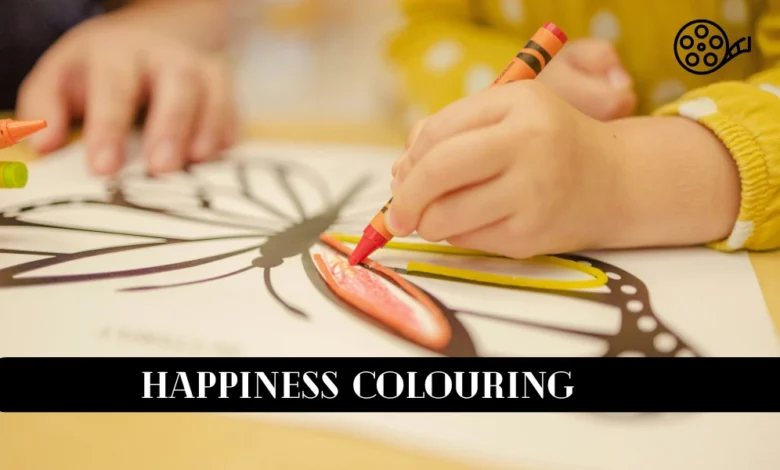
Colouring has long been a beloved activity for people of all ages. From childhood to adulthood, it has offered a creative escape and an enjoyable hobby. However, beyond its artistic merits, colouring has been recognized for its ability to bring positivity and calm into our daily lives. One form of this practice, known as Happiness Colouring, has gained popularity as a tool for cultivating mental well-being. But what exactly makes Happiness Colouring so effective in promoting a positive and calm state of mind?
In this article, we explore the benefits of Happiness Colouring, how it works, and why it’s more than just a relaxing activity. We will look into how this mindful practice can enhance your emotional health, foster creativity, and ultimately help you navigate life’s challenges with a sense of balance and joy.
What Is Happiness Colouring?
Happiness Colouring is more than just filling a picture with vibrant colours; it’s a therapeutic activity that involves using colours intentionally to express emotions and evoke positive feelings. Whether it’s a mandala, nature scene, or abstract design, the process of colouring helps engage both the left and right sides of the brain, leading to relaxation and emotional balance. It combines creative expression with mindfulness, encouraging individuals to focus on the present moment and letting go of stress.
The Psychological Benefits of Happiness Colouring
Reducing Stress and Anxiety
One of the most significant psychological benefits of Happiness Colouring is its ability to reduce stress and anxiety. Just like meditation or yoga, the act of colouring allows your mind to focus on a simple task, blocking out negative thoughts and worries. This mental distraction has been shown to reduce cortisol levels (the stress hormone) in the body, promoting a sense of calm and well-being.
Improving Focus and Concentration
Colouring can also help improve focus and concentration, especially for those who struggle with attention-related issues. The repetitive nature of colouring, along with the careful selection of colours, requires attention to detail and patience. This practice helps improve cognitive function and enhances mindfulness, making it easier to concentrate on other tasks.
The Connection Between Colour and Emotion
How Colours Affect Our Mood
The colours we choose to use in our Happiness Colouring exercises can significantly impact our mood and emotional state. Different colours evoke different emotions, and understanding this connection can help individuals harness the power of colour therapy. For example:
- Blue: Known for its calming and peaceful qualities, blue can reduce feelings of tension and anxiety.
- Yellow: Associated with happiness and optimism, yellow can stimulate joy and positivity.
- Green: Often linked with balance and healing, green promotes a sense of harmony.
- Red: A bold colour that can ignite passion and energy, red can help boost motivation and confidence.
By choosing colours that resonate with your desired emotional state, you can enhance your experience and cultivate positivity.
Embracing Creativity
When you engage in Happiness Colouring, you’re not only practising mindfulness, but you’re also tapping into your inner creativity. Colouring allows individuals to express their personal style and preferences, offering an outlet for creative self-expression. This sense of accomplishment boosts self-esteem and encourages further creativity, which in turn can positively affect other areas of life.
How Happiness Colouring Promotes Mindfulness
Practicing Mindful Colouring
Mindfulness is the practice of being fully present in the moment without judgment. Happiness Colouring encourages mindfulness by requiring the individual to focus on the present task: selecting colours, filling in spaces, and creating patterns. This gentle focus draws attention away from daily distractions and allows the person to engage with their inner world, fostering mental clarity and emotional balance.
A Form of Meditation
Many people find that Happiness Colouring functions as a form of meditation. With its soothing rhythm and calming effects, it becomes an excellent way to ground yourself after a long day or stressful experience. Colouring helps quiet the mind, similar to meditation, and can serve as a way to process emotions and promote relaxation.
Who Can Benefit from Happiness Colouring?
Happiness Colouring is a versatile activity that can be beneficial for people of all ages and walks of life. Here are a few groups who may find particular benefit from incorporating colouring into their routines:
- Children: For children, Happiness Colouring offers a fun and safe way to express their emotions and develop fine motor skills.
- Adults: Adults facing stress, anxiety, or emotional challenges can use Happiness Colouring as a form of self-care to unwind and practice mindfulness.
- Seniors: Colouring can help seniors stay mentally active while providing an enjoyable and therapeutic way to spend their time.
- Individuals with Mental Health Concerns: People experiencing depression or anxiety may find that Happiness Colouring helps them regulate their emotions and manage stress.
How to Get Started with Happiness Colouring
Choosing the Right Tools
To begin your Happiness Colouring’s journey, you need a few simple tools:
- Colouring Book: You can either buy a pre-made Happiness Colouring book or print your own designs. Mandalas, nature scenes, and abstract patterns are common choices.
- Colouring Mediums: Pencils, markers, or crayons are all suitable for colouring. Choose whichever medium feels most comfortable and enjoyable for you.
- A Quiet Space: Set aside a peaceful time and space where you can focus on your colouring without distractions.
Setting the Right Intentions
Before starting your colouring session, take a moment to reflect on your intentions. Do you want to reduce stress, express creativity, or simply relax? Setting a clear intention helps direct your focus and enhances the emotional benefits of the activity.
How Often Should You Colour?
There’s no strict rule about how often you should engage in Happiness Colouring. However, it’s helpful to integrate this activity into your routine regularly. Whether it’s daily for 15 minutes or a few times a week, the key is consistency. Regular practice will help you experience long-term benefits in terms of emotional well-being and stress management.
FAQs
1. What is Happiness Colouring?
Happiness Colouring is a mindful activity that uses colours to cultivate positivity, reduce stress, and improve mental well-being. It combines creative expression with mindfulness techniques.
2. How does Happiness Colouring reduce stress?
Colouring has been shown to lower cortisol levels, the stress hormone, which helps the body and mind relax. It also acts as a form of mindfulness, distracting the individual from anxious thoughts.
3. Can Happiness Colouring help with anxiety?
Yes, by focusing on the act of colouring and the positive emotions associated with it, many people find that it helps them manage anxiety and cultivate a sense of calm.
4. What types of colours are best for promoting calm?
Colours like blue, green, and lavender are typically used to promote relaxation and calm. They help soothe the nervous system and encourage peacefulness.
5. Can anyone do Happiness Colouring?
Absolutely! Happines Colouring is suitable for individuals of all ages and backgrounds. Whether you’re a child or a senior, colouring can be a therapeutic practice for emotional well-being.
Conclusion
Happiness Colouring offers a powerful way to enhance your mental health by reducing stress, promoting calm, and encouraging creativity. Whether you’re looking to relax, focus, or simply express your emotions, this mindful activity provides numerous benefits for your overall well-being. By incorporating Happines Colouring into your daily routine, you can cultivate a more positive and balanced approach to life, one colour at a time.
You May Also See: Tamilprint2