
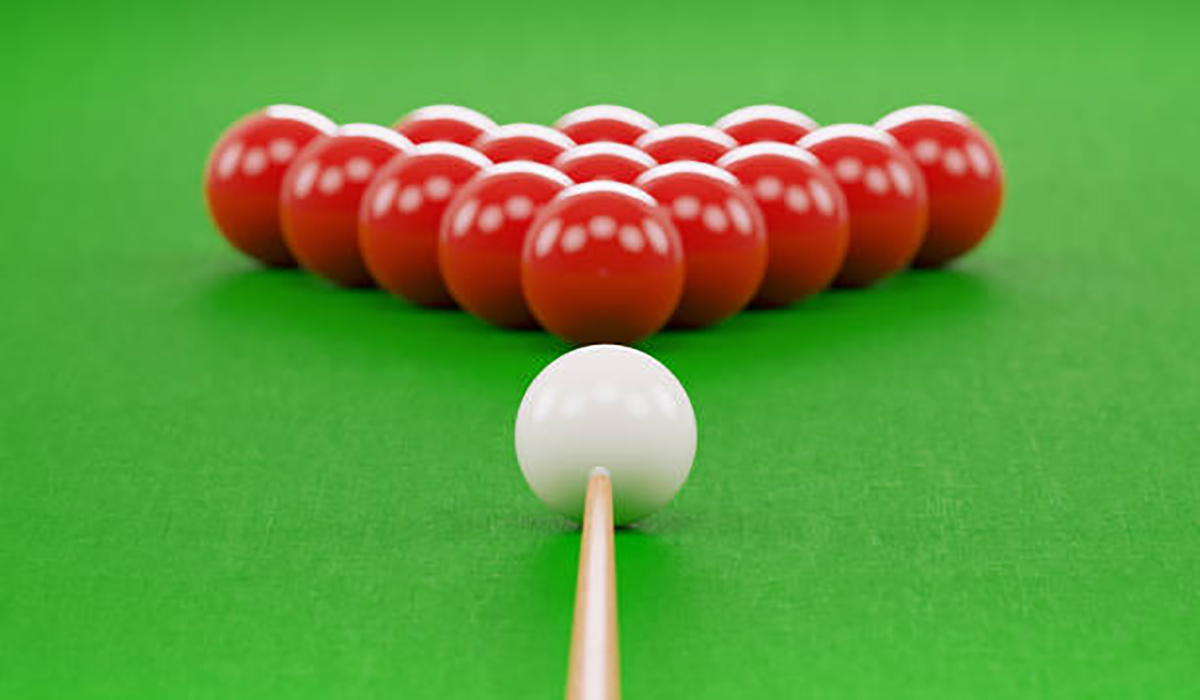

Walk into any British billiards club on a Friday night, and you’ll hear the same question swirling around the pool tables: “Mate, should I use an English pool cue or a regular snooker cue?”
It’s certainly a good question—many players, even seasoned veterans, get confused by it. After all, from a distance, the two cues look very similar: both are slim sticks of polished wood with a tip on one end. But when you actually hold them, the differences are stark. One feels sharp and agile, the other more forgiving. One is suited for precise shots, the other for the signature power of English billiards.
If you’ve ever been confused when choosing a cue stick, or frustrated by a shot that just doesn’t feel “right,” then this guide is for you.
Why the Cue You Choose Matters More Than You Think
Choosing between an English cue and a snooker cue is more than just a matter of appearance. The key is choosing the right cue for your game. Using the wrong billiards cue is like playing darts with a feather—theoretically possible, but why put yourself at a disadvantage?
A cue that suits your playing style offers immediate benefits:
- cleaner cue ball shot
- better control of sidespin and screw
- fewer mistakes
- more confidence in long pots
When your cue feels comfortable in your grip, you’ll no longer hesitate.
English Pool Cue vs. Snooker Cue — Key Differences
1. Cue Tip Size: Small Changes, Big Results
- Snooker cues typically use 9.2–9.8 mm tips, ideal for delicate touch and precision shots.
- English pool cues use slightly smaller 8.2–9 mm tips, offering greater forgiveness and better suited for potting and fast-paced games. Browse the English pool cue: click more
A millimeter may seem insignificant, but in billiards, it determines whether you hit the ball softly or with full force.
2. Cue Weight & Feel
- Snooker cues are usually 17–19.5 oz, built for finesse and long-table accuracy.
- English pool cues tend to be 18–19 oz, offering a more solid feel and are particularly well-suited for smaller English pool tables.
If you’ve ever switched cues mid-session, you’ll know how quickly the wrong weight throws off your rhythm.
3. Cue Taper & Shaft Shape
- Snooker cues have a more gradual, slim taper, perfect for aiming along the cue shaft and producing soft, controllable shots.
- English pool cues often have a sharper or medium taper, giving them a more powerful feel and are suitable for fast-paced games.
One type of cue stick is like a violin bow—precise and delicate; the other is more like a well-balanced hammer—stable, predictable, and powerful.
4. Cue Ferrules & Materials
- Snooker cues traditionally use brass ferrules for that unmistakable crisp feedback.
- English pool cues may use brass or carbon fiber ferrules depending on design — both are durable, but offer slightly different feedback.
It’s small, but you’ll feel it in your fingertips.
Which Cue Should You Choose?
- If you mainly play snooker, choose a dedicated snooker cue for better control.
- If you primarily play English pool, stick to a pool cue designed specifically for it — more forgiving potting and stronger impact.
- If you play both, choose according to your natural playing style:
- soft-handed players often prefer snooker-style cues
- firm-handed players tend to suit English pool cues
A well-chosen cue boosts performance far more than most players’ expectations.
Why Many Players Upgrade to a Better Cue
Ask around any club and you’ll hear a familiar story: “Since I bought the right cue, everything has become so much easier—I finally understand the meaning of this cue sport.”
A good cue not only improves your accuracy but also makes the game more enjoyable. Every shot is smoother, and every practice session is more rewarding. There’s nothing more satisfying than hearing someone ask, “Where did you buy your cue?”
Pick the Cue That Matches You
English cues and snooker cues may seem similar to beginners, but they are designed for very different purposes. Understanding these differences will help you choose a pool cue stick that truly improves your game, rather than becoming a stumbling block.
The right cue can help you play with clarity, confidence, and true enjoyment. A cue isn’t just a piece of wood; it’s your partner on the pool table. Make the right choice, and your entire game will be transformed.












Leave a Reply