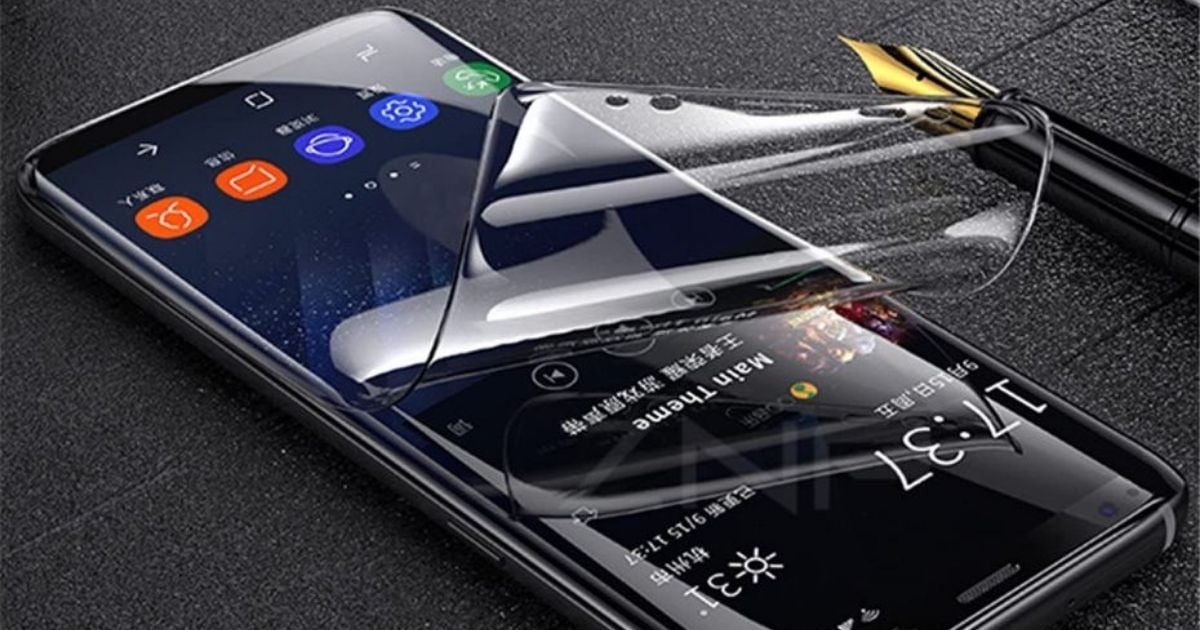
Smartphones ki protection ke liye hydrogel screen protector vs. tempered glass ek bahut hi important debate hai. Dono products ka apna apna maqsad hai lekin inka design aur functionality mukhtalif hai. Hydrogel screen protectors flexible aur self-healing hote hain jabke tempered glass zyada rigid aur scratch-resistant hota hai.
Hydrogel screen protectors kaafi lightweight hote hain aur unki installation asan hoti hai. Ye protectors smartphones ki curved screens par bhi achi tarah se fit hote hai jisse uski usability barh jati hai. Iske muqable mein tempered glass screen protectors zyada durable hote hain lekin ye kabhi kabhi bubbles ya imperfections create kar sakte hain jab inhe install kiya jata hai. Is article mein hum dono types ke pros and cons ka tafseel se jaiza lenge.
What is a Hydrogel Screen Protector?
A hydrogel screen protector is made from a flexible material that can stick to your phone’s screen. This protector is super thin and can cover curved edges easily. It’s like putting a soft blanket over your phone! Because it’s flexible it can heal small scratches on its own. This means if you accidentally scratch it it might disappear after some time.
Hydrogel protectors are also very light. They won’t add much weight to your phone which is great for kids and adults alike! Plus they can be easier to install. You just need to peel off the backing and stick it on. But remember since they are thin they might not protect your phone as well from heavy drops compared to other options.
What is Tempered Glass?
Tempered glass is a stronger type of screen protector. It is made from special glass that is treated to be extra tough. This means it can handle drops better than a hydrogel protector. When you put tempered glass on your phone it feels smooth and hard just like your phone’s original screen.
One great thing about tempered glass is that it can stop a lot of scratches and cracks. If you drop your phone the tempered glass might break instead of your phone’s screen! This is a big reason why many people choose it. However installing tempered glass can be trickier. Sometimes you might see bubbles if it’s not placed perfectly but with practice it gets easier!
Advantages of Hydrogel Screen Protectors
Hydrogel screen protectors have many advantages that make them appealing. One big plus is their ability to heal from scratches. If you accidentally scratch the surface the scratches can disappear over time. This self-healing feature means your protector can look new for longer!
Another advantage is that hydrogel protectors are very thin. This makes them easy to use and they don’t add much bulk to your phone. You can still enjoy the original feel of your phone screen! Plus they fit nicely on curved screens making them perfect for newer smartphones. If you want a protector that blends in well, hydrogel is a great choice.
Advantages of Tempered Glass
Tempered glass has its own set of advantages that many users love. One of the main benefits is its strength. Tempered glass can withstand strong impacts and heavy drops. If you accidentally drop your phone the glass protector might crack instead of your screen keeping your device safe.
Additionally tempered glass offers excellent clarity. You can still see your screen perfectly and it feels very smooth when you touch it. Many people prefer the hard surface of tempered glass because it feels more like the actual screen. This makes using your phone a great experience especially for games or videos!
Disadvantages of Hydrogel Screen Protectors
While hydrogel screen protectors have many benefits they also have some downsides. One of the main issues is their durability. Although they can heal from minor scratches they might not protect as well against heavy impacts. If you drop your phone hard the screen may still get damaged.
Another disadvantage is that hydrogel protectors can sometimes be harder to see. Because they are so thin they may not provide the same level of protection as tempered glass. If you want something that offers strong protection, hydrogel might not be the best choice. It’s important to think about how you use your phone and what level of protection you need.
Disadvantages of Tempered Glass
Tempered glass is a strong option but it has some disadvantages too. One major issue is that it can crack or shatter upon impact. While it protects your phone’s screen if you drop it hard enough you might end up with broken glass that needs to be replaced.
Installation can also be a bit tricky with tempered glass. Sometimes people find it challenging to get rid of air bubbles when putting it on their screens. If not installed correctly it can affect how your phone looks and feels. You need to be careful during the installation process to ensure everything goes smoothly!
Installation Process: Hydrogel vs. Tempered Glass
Installing a hydrogel screen protector is usually pretty simple. You just need to clean your phone screen first to make sure there’s no dust. After that you can peel off the backing and gently place it on your screen. The flexible nature of hydrogel helps it fit well even on curved screens!
On the other hand installing tempered glass requires a bit more patience. You also start by cleaning the screen. Then you carefully line up the tempered glass with your phone. If you see any bubbles you might need to push them out gently. Taking your time during installation will help make sure it looks great and works well!
Durability and Longevity Comparison
When it comes to durability, tempered glass is usually the winner. It can handle heavy drops and strong impacts much better than hydrogel. Many users find that tempered glass lasts longer because it can protect against serious damage. However once it cracks you will need to replace it.
Hydrogel protectors can last a long time too especially if you are careful. They can heal small scratches and stay clear for longer. But if you drop your phone hard they might not protect as well. It’s important to think about your lifestyle when deciding which protector to choose!
User Experience: Touch Sensitivity and Clarity
Both hydrogel and tempered glass protectors aim to keep your touch experience smooth. Hydrogel protectors are very thin so they usually don’t affect how your screen feels when you touch it. You can swipe and tap just like normal!
Tempered glass also provides a great user experience. Many people like how smooth it feels similar to the original screen. You might notice that your phone’s touch sensitivity remains high with both protectors. So whether you choose hydrogel or tempered glass you won’t lose that nice touch feeling!
Price Comparison
When it comes to price, hydrogel screen protectors are often more affordable. They are usually cheaper than tempered glass options. If you are on a budget hydrogel can be a good choice without sacrificing too much protection.
However tempered glass protectors may cost a bit more. This is because they are made from stronger materials and offer better impact protection. If you are willing to spend a little extra for durability, tempered glass could be worth it. Think about how much you want to spend and what level of protection you need!
Which One Should You Choose?
Deciding between hydrogel screen protector vs. tempered glass depends on your needs. If you want something light, flexible and easy to install, hydrogel is a great option. It’s perfect for those who are careful with their phones and want a protector that can heal minor scratches.
On the other hand if you often drop your phone or need stronger protection, tempered glass might be the best choice. It’s tough and can handle impacts well. Consider how you use your phone and which features are most important to you before making a decision!
Conclusion
Both hydrogel screen protectors and tempered glass have their own strengths and weaknesses. Hydrogel offers flexibility and self-healing while tempered glass provides excellent durability and clarity. The choice really comes down to what you need for your smartphone.
Always remember to take care of your phone and protect it well. Whichever option you choose you’ll be helping to keep your screen safe and looking good for a long time! Whether it’s hydrogel screen protector vs. tempered glass knowing your needs will lead you to the best decision for your smartphone.